How Do You Send A Screenshot To An Email . From there, you can attach them in an email or upload screenshot files on a messaging platform. You can choose entire screen, window or chrome tab: How to Set Up Your Yahoo Mail Signature from www.lifewire.com Here you are given various options through which you can share the file. Place the cursor inside the body of the email message where you. You can highlight with box, add notes or blur some parts of your image.
How Long Does It Take Igneous Rocks To Form. When the magma reaches the surface it cools quickly, a matter of days or weeks. How long for a new ocean to become 1000 km wide?
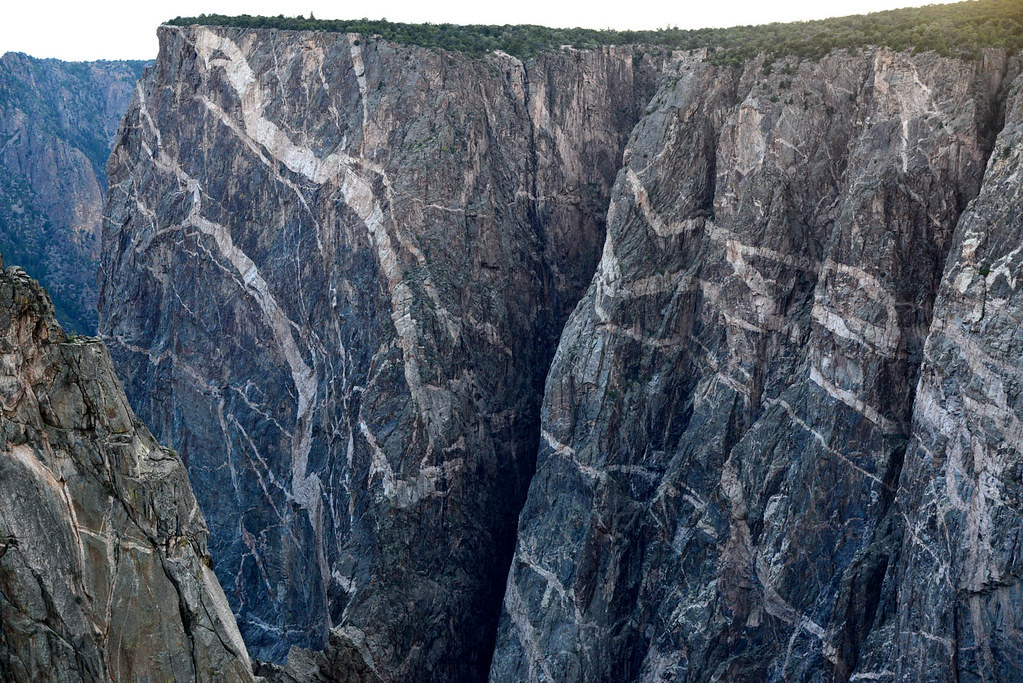
Intrusive Igneous Rocks Flickr from www.flickr.com
As this magma, or molten rock emerges to the surface, it experiences a change in temperature and pressure, which forces it. Lava cools very quickly at first forming a thin crust that insulates the interior of the lava flow. It takes millions of years to form sedimentary and metamorphic rocks.
Igneous Rocks Formation Can Take From Thousands To Millions Of Years In The Case Of Intrusive Igneous Rocks, Which Slowly Crystallize Deep Beneath The Surface;
The rate at which the magma cools determines the kind of igneous rocks that. Sedimentary rocks form by breaking down other kinds of rocks into small particles and washing or blowing them away; Igneous rocks can also be made a couple of different ways.
How Long For A Flood Deposit To Be Laid Down?
Often, lava cools over a few days to weeks and minerals have enough time to form but not time to grow into large crystals. Larger rocks are broken down into small pieces that are carried away and moved to wherever the sediment is collecting. It takes millions of years to form sedimentary and metamorphic rocks.
When The Magma Forms Pockets Underground It Cools Much More Slowly.
How long for a new ocean to become 1000 km wide? In this way, igneous rock can become sedimentary rock. How long for lava to
Basalt Is The Most Common Type Of Extrusive Igneous Rock And The Most Common Rock Type At The Earth's Surface.
When the magma forms pockets underground it cools much more slowly. The formation of three foremost kinds of rocks (igneous, metamorphic and sedimentary) can take from 1 day to hundreds of thousands of years. After a long time the sediments can be cemented together to make sedimentary rock.
Igneous (Made From Cooled Lava/Magma) Tends To Form Quickly If It Is On The Surface In The Form Of Lava, And A Lot Slower In The Earth When Forming From Magma.
Too much heat cannot be applied at once since the rock will melt and recrystallize into an igneous rock. The time it takes for an igneous rock to be eroded and made into a sedimentary rock depends on many factors, especially how close to the surface it is formed. Extrusive (volcanic) igneous rocks can be formed rapidly.


Comments
Post a Comment